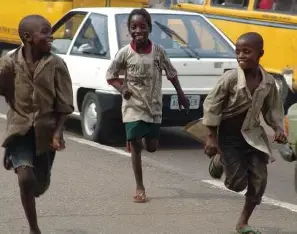
Across many parts of Nigeria, there is a reality that is both visible and often overlooked — children living and surviving on the streets. In Enugu, this reality exists quietly in plain sight: children navigating busy roads, marketplaces, motor parks, and roadside corners, often without stable shelter, consistent meals, or adult protection.
These are not just statistics. They are children with names, stories, fears, and dreams.
Life on the Street
For a street child in Enugu, each day is shaped by uncertainty. Food is not guaranteed. Safety is never assured. Education is often interrupted or completely absent. Many rely on informal work, begging, or scavenging just to get through the day.
But beyond physical hardship, there is something deeper: emotional survival.
Many of these children experience rejection from family situations, broken homes, poverty, or circumstances beyond their control. Over time, this can lead to isolation, mistrust, and a quiet sense of invisibility in society.
And yet, they adapt in ways that are often overlooked. They form small communities, protect one another, share what little they have, and learn to navigate a world that rarely pauses for them.
The City That Moves Around Them
Enugu is a growing and energetic city, full of movement, commerce, and development. But within that movement, vulnerable children often become part of the background… seen but not truly seen.
It is easy for society to walk past them and assume someone else is responsible. Yet their presence raises a deeper question: what does it mean for a community when children are growing up without stability, guidance, or care?
Street children are not a separate issue from society, they are a reflection of it.
The Emotional Weight They Carry
Beyond hunger or lack of shelter, many street children carry emotional burdens that are harder to see:
* The feeling of being forgotten
* The absence of consistent care and guidance
* The struggle to trust adults again
* The fear of an uncertain future
These emotional realities shape how they see themselves and the world around them. Without intervention, these experiences can follow them into adulthood.
Why Compassion Matters More Than Judgment
It is easy to judge what we do not understand. But compassion asks a different question: *What happened to this child?*
Real change begins when society shifts from judgment to understanding, from distance to presence, from awareness to action.
Even small acts: a meal, a conversation, a moment of attention can interrupt the cycle of neglect.
The Role of Jacob’s Well
At Jacob’s Well, our weekly outreach to street children in Enugu is rooted in one simple belief: every child deserves dignity.
When we meet them, we do not only bring food. We bring time. We bring listening ears. We bring reminders that they are not invisible.
Over time, these encounters become more than outreach; they become relationships built on trust and consistency.
We also walk alongside those who are open to spiritual guidance, offering encouragement rooted in the Christian faith and the message of hope found in Christ.
A Biblical Lens of Hope
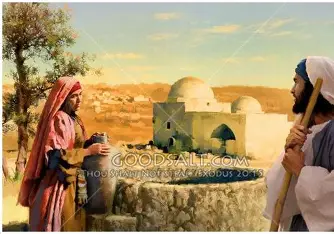
The story of Jacob’s Well in Scripture reminds us of a powerful truth: Jesus met people at places of need and offered them something deeper than physical relief. He offered restoration, identity, and hope.
In the same way, every act of compassion toward a vulnerable child becomes more than charity. It becomes a reflection of that same love, one that sees, values, and restores.
Moving From Awareness to Action
Understanding the reality of street children in Enugu is only the beginning. The next step is response.
Communities, individuals, churches, and organizations all have a role to play:
* Supporting feeding programs
* Volunteering time and presence
* Providing resources for outreach
* Creating pathways to education and stability
* Refusing to look away
Change does not always begin with large systems. Sometimes it begins with consistent people who refuse to ignore what they see.
Street children are often described by what they lack: home, food, safety, opportunity. But if we look closer, we may also see something else: resilience, survival, and the deep human need for connection.
The question is not only what their reality is.
It is also what ours becomes when we choose to see them and respond.
At Jacob’s Well, we believe that no child should grow up feeling forgotten. And we continue to work toward a future where compassion is not rare, but normal, where every child in Enugu can experience dignity, care, and hope.
If this message has moved you in any way, we invite you to take a step beyond awareness.
You can be part of this work.
Support our outreach by sponsoring meals and feeding programs for street children in Enugu
Volunteer your time during our weekly visits and community engagements
Donate food items or resources to help us reach more vulnerable children consistently
Partner with Jacob’s Well as an individual, church, or organization to expand our impact
Share this message so that more people become aware and involved
Even the smallest contribution can become a moment of hope in a child’s life.
To get involved or support our work, please reach out to Jacob’s Well directly through our official communication channels.
Together, we can make sure that fewer children grow up feeling unseen and more grow up knowing they are loved, valued, and not alone.